About Q Code Prayer Official Website
We tried to scan qcodeprayer.com directly and found that the site blocks automated access, so this review can’t confirm its own pricing, terms, or page content firsthand.
As with the other prayer-themed products covered in this series, it’s worth separating the commercial marketing from the subject of faith itself. Based on third-party descriptions, Q Code Prayer is a $37 digital audio program credited to “Simon Carter,” built around what’s called the “Gospel of Q.” The letter Q here does refer to a real, genuine concept in biblical scholarship, a hypothetical lost source document scholars believe underlies shared material in the Gospels of Matthew and Luke. What isn’t scholarly is the marketing layered on top of it: claims that “elites banned this potent prayer in the church for over 2,000 years,” an unsubstantiated conspiracy claim, and that the prayer “promotes healthy pineal gland function,” the same pineal-gland framing found on several unrelated frequency and audio products covered elsewhere in this series, here applied to a prayer instead.
It’s also worth knowing that “pay for prayer” subscription products have a documented, recent complaint pattern. Independent Trustpilot reviews for a comparable Christian prayer subscription service describe being auto-billed after what was presented as a free trial, refused refunds, and AI-generated, repetitive content, with one reviewer writing it felt like “a scam hiding behind the name of Jesus.” Separately, a 2016 case saw a different “pay for prayer” company ordered to refund $7 million after using fake pastor personas and deceptive recurring billing. Neither case involves Q Code Prayer specifically, but they describe the exact category this product sits in.
| Positive Reviews | Negative Reviews |
|---|---|
| A 365-day money-back guarantee is reported, a genuinely long refund window | A real academic term (“Gospel of Q”) is stretched into an unsubstantiated “banned by elites” conspiracy claim |
| Digital delivery, no shipping wait | “Pineal gland function” claims are attached to a prayer product, the same unscientific framing found on unrelated frequency products elsewhere |
| One-time cost rather than an ongoing subscription, based on available descriptions | “Pay for prayer” subscription products in this general category have a documented, recent pattern of deceptive auto-billing and refund refusal elsewhere |
I’ve reviewed several prayer- and faith-themed digital products in this series, and Q Code Prayer stands out for grabbing a real academic term and wrapping it in an unsupported conspiracy narrative. Whatever your relationship to prayer and faith, that specific marketing claim is worth examining on its own, factual terms.
Is Q Code Prayer legit? This analysis looks at what’s actually being sold, where the marketing departs from real scholarship, and what to weigh before buying.
What is Q Code Prayer?
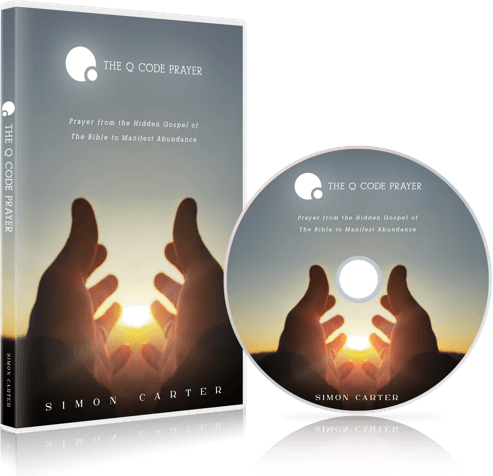
Q Code Prayer is a digital audio program, marketed as containing a prayer drawn from “the Gospel of Q,” intended to help listeners attract wealth and abundance through daily listening and recitation.
- Price: $37 (per third-party sources; not independently confirmed on the official site)
- Format: Digital audio, delivered after purchase
- Regulatory Status: Not a religious institution or licensed financial advisory service; standard digital-product disclaimers typically apply
What’s Included in Q Code Prayer
Based on third-party descriptions, the program includes:
- The Core Prayer Audio Track – the main paid content, framed around the “Gospel of Q” concept
- Daily Recitation Instructions – guidance to listen and recite the prayer daily
- Wealth and Wellness Framing – marketed benefits spanning financial abundance, energy, and stress reduction
How Q Code Prayer Is Marketed to Work
The core claim is that a prayer drawn from suppressed ancient texts, when recited daily, activates pineal gland function and attracts financial abundance.
What’s worth separating out here:
- The “Q Source” Is Real Scholarship: Biblical scholars do use “Q” to refer to a hypothetical shared source document behind parts of Matthew and Luke, a genuine, long-standing academic concept.
- The “Banned by Elites” Claim Is Unsubstantiated: There’s no historical record supporting the claim that a specific prayer was suppressed by “elites” for 2,000 years; this is a common persuasion device in this product category, not documented history.
- “Pineal Gland Function” Is an Added, Unrelated Claim: Biblical source scholarship has nothing to do with pineal gland physiology; grafting this claim onto the “Q source” concept borrows credibility from two unrelated fields, real scholarship and real anatomy, without connecting either to the product’s actual wealth-attraction promise.
Prayer and faith practices are a matter of personal belief this review isn’t positioned to evaluate. What can be evaluated is that the specific historical and physiological claims used to market this product don’t hold up against the real academic and scientific concepts they borrow from.
Q Code Prayer: What’s Claimed as Benefits
Based on third-party marketing descriptions, the stated benefits are:
- Wealth and Abundance Attraction – the core marketed purpose
- Improved Energy Levels – a secondary claimed benefit
- Reduced Anxiety and Stress – a secondary claimed benefit
- Long Guarantee Window – a reported 365-day refund period
Q Code Prayer Cons
Before buying, there are real concerns worth weighing.
- Official Site Not Independently Verifiable: this review couldn’t access qcodeprayer.com directly to confirm pricing, terms, or the guarantee.
- Misappropriated Academic Term: “Gospel of Q” is real scholarship, stretched here into an unsubstantiated suppression narrative.
- Unrelated Pineal Gland Claim: grafts anatomy language onto a prayer product with no connecting mechanism offered.
- Category-Level Billing Risk: comparable “pay for prayer” subscription products have a documented, recent pattern of deceptive auto-billing and refund refusal, and a documented 2016 case resulted in a $7 million refund order against a different company.
- Financial Outcomes in Marketing: framing prayer as a mechanism for financial abundance risks discouraging more effective, evidence-based financial planning.
Is Q Code Prayer a Scam?
Based on what’s available, there isn’t enough independently verifiable information about the specific seller to confirm or rule out concerns, since the official site itself couldn’t be accessed for this review.
Caution signs worth weighing:
- A real academic term is used to support an unsubstantiated historical suppression claim
- Pineal-gland framing is attached to a prayer product with no established connection
- The broader “pay for prayer” category has documented, recent cases of deceptive billing and refund refusal at other companies
What isn’t confirmed as a red flag on its own: a long, 365-day guarantee is reported, and a one-time purchase structure (rather than a hidden subscription) is described in available sources, though neither could be independently verified from the official site directly.
My take: whatever your relationship to prayer and faith, treat the “banned by elites” and “pineal gland” claims attached to this specific product as marketing rather than history or science. If you buy, confirm in writing whether the charge is truly one-time, given the documented billing problems found elsewhere in this exact product category.
Conclusion
Looking at Q Code Prayer overall, this review couldn’t independently verify the official site’s own claims, and what’s available shows a real academic term stretched into an unsupported historical narrative, paired with an unrelated pineal-gland claim.
The genuine subject of prayer and faith is separate from these specific marketing claims, and it’s worth evaluating the claims on their own factual terms rather than through the lens of the belief system they’re wrapped in.
Before you buy, verify directly with the seller whether the charge is genuinely one-time, given the documented billing complaints in this exact product category elsewhere, and treat the historical and physiological claims as marketing, not established fact.