
About Lost Super Foods Official Website
We scanned thelostsurvivalfoods.com for several indicators, and this page is more measured than most products reviewed in this series, no health-cure claims, no conspiracy framing, no manufactured urgency countdown.
The company behind it, Global Brother LLC, lists a real, checkable mailing address (2515 Waukegan Rd, Bannockburn, IL), and checkout runs through ClickBank with a clearly stated 60-day, no-questions-asked refund policy. The book is part of a broader, long-running “Lost” series (including “The Lost Ways” and “The Lost Book of Remedies”) from the same general publishing operation, credited to a persona named Claude Davis. We couldn’t independently verify whether this is a real individual’s name or a house pen name used across the series, no explicit disclosure either way appears on this specific page, unlike some other survival-guide publishers reviewed elsewhere in this series that state this directly.
The featured customer reviews on the page are more specific and varied than most testimonials found in this product category, referencing particular recipes (sauerkraut, DIY survival buckets, homemade MREs) and even describing a real-sounding customer service interaction (a printing error resolved the same day). These can’t be independently verified, but they read as more detailed and less uniformly glowing than typical manufactured testimonials.
| Positive Reviews | Negative Reviews |
|---|---|
| Real, checkable company mailing address (Global Brother LLC, Bannockburn, IL), not an anonymous funnel | The “Claude Davis” persona’s real identity isn’t disclosed or independently verifiable one way or the other |
| No health-cure claims, conspiracy framing, or manufactured countdown urgency, unlike many similar products | Specific numeric claims (e.g., “295 pounds of food for $5 a week”) aren’t independently verified |
| Checkout runs through ClickBank with a clearly stated 60-day, no-questions-asked refund policy | Some historical claims and specific dollar/quantity figures are dramatized for marketing effect |
I’ve reviewed a lot of survival and preparedness guides in this series, and Lost Super Foods is one of the more restrained entries, its marketing sticks to historical food preservation content rather than leaning on fear, conspiracy, or health claims. That’s genuinely worth noting. It doesn’t mean every specific figure on the page is independently verified, so it’s still worth applying normal scrutiny.
Is Lost Super Foods legit? This analysis looks at what the book covers, how its historical claims hold up, and what to weigh before buying.
What is Lost Super Foods?
Lost Super Foods is a digital (with print option) guide covering 126 historical, no-refrigeration foods and preservation methods, drawn from various historical periods and cultures, aimed at building a long-term food stockpile.
- Format: Digital guide, with a physical print option
- Price: $37, including two bonus reports
- Regulatory Status: Educational/DIY food preservation guide, not a food safety-certified resource
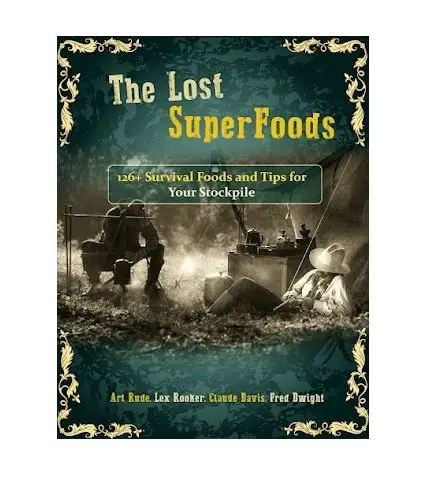
What’s Inside Lost Super Foods
Based on the official site, the book covers a wide range of historical foods and preservation techniques, including:
- Historical Preservation Methods – covering canning, dehydrating, smoking, and fat-based preservation (lard, tallow)
- Foods Tied to Specific Historical Events – including references to WWII-era rationing, the Great Depression, and 19th-century expeditions
- Traditional and Cultural Recipes – including fermented soups, dried curd-style dairy, and Indigenous and Amish food preservation practices
- Practical Stockpiling Guidance – a claimed $5/week and $100/month stockpiling system, canning safety guidance, and DIY ration bar instructions
- Two Bonus Guides – an underground greenhouse guide and a “1900s projects” self-sufficiency guide
Many of the specific historical references check out as real practices: dried curd preservation among steppe herders, “portable soup” used on historical expeditions, and lard-based meat preservation are all genuine, documented food history topics, not fabricated. Specific numbers attached to modern claims, like feeding a family for “$100 a month” or “295 pounds of food for $5 a week”, are harder to verify and should be treated as illustrative rather than guaranteed figures.
How Lost Super Foods Is Marketed to Work
The book frames historical, pre-refrigeration food preservation knowledge as a practical, low-cost way to build a long-term food stockpile using techniques largely lost to modern households.
This premise is reasonable and shared by many mainstream preparedness and homesteading resources, using historical preservation methods for modern stockpiling isn’t a fringe idea. The specific “126 foods” framing and the more dramatic historical narration (a “Ninja Superfood,” foods that “saved” various civilizations) are marketing embellishments on top of what are, in most cases, genuinely real historical food preservation practices.
Lost Super Foods: What’s Claimed as Benefits
Based on the official site, the stated benefits are:
- Low-Cost Stockpiling – positioned as more affordable than commercial survival food
- No Refrigeration Required – a central selling point across all featured foods
- Historical Grounding – recipes and methods drawn from documented historical practices
- Beginner-Friendly Instructions – described as accessible with no prior cooking or canning experience
- Bundled Bonus Guides – a greenhouse guide and self-sufficiency projects included
Lost Super Foods Cons
Before buying, there are a few real considerations worth weighing.
- Unverifiable Author Identity: “Claude Davis” isn’t confirmed as a real individual or disclosed as a pen name on this specific page.
- Dramatized Specific Figures: some quantity and cost claims (like feeding a family for very low weekly amounts) are likely illustrative rather than independently tested.
- Marketing Embellishment on Real History: the underlying food preservation methods are largely real, but framing devices (“Ninja Superfood”) add drama beyond the historical facts themselves.
- Canning and Preservation Safety: as with any DIY food preservation guide, proper technique matters for food safety; cross-check specific canning and preservation instructions against established food safety guidance.
Is Lost Super Foods a Scam?
Lost Super Foods shows fewer of the red flags common across this product category: no health-cure claims, no conspiracy-driven urgency, a real company address, and a straightforward refund policy.
What’s worth weighing before buying:
- The underlying historical food preservation content is largely grounded in real, documented practices
- The author’s specific identity isn’t independently verifiable, common in this publishing niche
- Specific modern cost and quantity figures should be treated as illustrative rather than guaranteed
- A clear 60-day, no-questions-asked refund policy limits financial risk
If you’re interested in historical food preservation methods for a modern stockpile, this is one of the more grounded entries in this category. Cross-check any canning or preservation technique against established food safety resources before relying on it, as you should with any DIY preservation guide.
Conclusion
Looking at Lost Super Foods overall, it’s built on largely real, historically documented food preservation practices, presented by a real, addressable company with a straightforward refund policy, more restrained marketing than most products reviewed in this series.
Its main limitations are typical of the genre: an unverifiable author persona and some dramatized specific figures layered onto otherwise genuine historical content.
If you’re interested in building a stockpile using historical, no-refrigeration methods, this is a reasonably grounded starting point. Verify specific preservation techniques against established food safety guidance, and use the 60-day refund window if the content doesn’t meet your expectations.