About NOMAD Power System Official Website
We tried to scan nomadpowersystem.com directly and found it blocks automated access outright, so its specific current claims and pricing couldn’t be independently verified for this review. What we found through independent research is more informative than the page itself would have been.
NOMAD Power System is one of at least four near-identical products we found sharing the same core pitch: a DIY generator, said to be based on “forgotten” or “Tesla-inspired” technology, that dramatically cuts or eliminates electric bills using cheap, easily sourced parts. Energy Revolution System, Power Grid Generator, and Lost Generator all follow the same structure, the same $49-ish pricing discounted from a similar range, the same 60-day ClickBank guarantee, and even templated “reviews” that reuse identical phrasing across different product names. One of those near-identical review articles was found duplicated word for word across two unrelated institutional websites, the Forest Stewardship Council (a real international forestry certification nonprofit) and Wilkes University, with only a random ID string changed in the title, clear evidence of a mass-produced spam network rather than independent coverage.
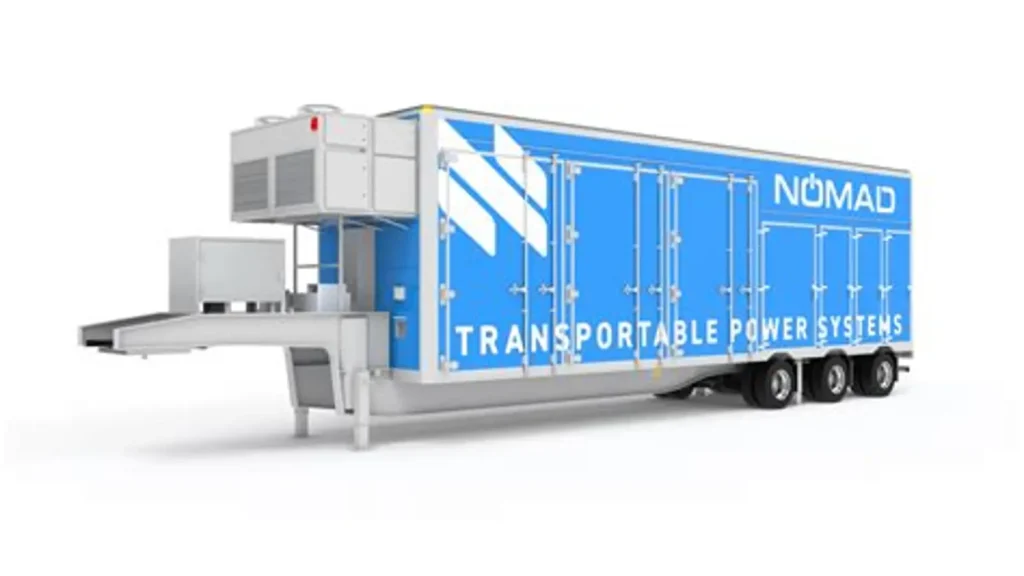
Separately, at least one article describing “NOMAD Power System” appears to conflate it with NOMAD Transportable Power Systems, Inc., a real, unrelated industrial energy storage company based in Vermont that makes large-scale towable battery systems for commercial and utility use. That’s a legitimate, real company, but it has nothing to do with a $49 ClickBank DIY guide, and describing them as the same thing is a significant, misleading conflation.
| Positive Reviews | Negative Reviews |
|---|---|
| If sold through ClickBank like its sibling products, buyers would get standardized refund protection | The official site blocks automated access, preventing independent verification of its specific claims |
| A 60-day guarantee is commonly reported across products in this same template family | At least one review conflates this product with an unrelated, real industrial energy company of a similar name |
| Low reported entry price limits financial risk if you do decide to try it | Templated review content for this product family has been found duplicated across unrelated institutional websites |
I’ve reviewed several DIY “free energy” and generator products in this series, and NOMAD Power System is part of a clearly identifiable template family rather than a uniquely developed product, sharing structure, pricing, and even review text with at least three other differently branded competitors. Before trusting any specific claim, it’s worth understanding both that pattern and the physics the underlying pitch runs up against.
Is NOMAD Power System legit? This analysis looks at what’s consistently claimed across this product family, why the core premise conflicts with basic physics, and a specific naming confusion worth avoiding.
What is NOMAD Power System?
Based on this product family’s consistent description, NOMAD Power System is a digital guide teaching buyers how to build a small home generator from commonly available parts, claimed to significantly reduce or eliminate electric bills.
- Format: Digital guide with blueprints, a parts list, and video walkthroughs, no physical product shipped
- Price: Commonly reported around $49 across similar products in this family, discounted from a higher listed price; this specific site’s current pricing couldn’t be independently confirmed
- Regulatory Status: DIY/educational product, not a certified or independently tested energy device
What’s Claimed to Be Inside
Based on the consistent structure across this product family, buyers can typically expect:
- Step-By-Step Blueprints – illustrated build instructions
- A Parts List – materials sourced separately, commonly reported in the $70-$210 range
- Video Walkthrough Training – supplementary build guidance
- Bonus Guides – commonly including emergency preparedness or home energy-savings content
The specific claims about output and savings vary across this product family’s different branded versions, a sign the numbers are marketing copy adapted per template rather than measured results specific to any one device.
How NOMAD Power System Is Marketed to Work
Products in this family typically describe a small device, inspired by Nikola Tesla’s early electrical experimentation, that captures or recovers energy to reduce grid dependence, sometimes framed as nearly eliminating a power bill entirely.
A device that outputs meaningfully more usable energy than it takes in, especially framed as replacing most or all of a home’s grid electricity from cheap hardware-store parts, would conflict with the conservation of energy, a foundational, thoroughly tested principle of physics. Some versions of this product family are marketed more modestly, as a supplemental backup or partial usage-reduction tool rather than a full replacement for grid power; that more modest framing is at least physically plausible in a limited sense (small-scale energy recovery or storage projects are real), but it’s a very different claim than “slash your bill by 80%” or eliminate it outright, and it’s worth checking which specific claim this exact site is making before buying.
NOMAD Power System: What’s Claimed as Benefits
Based on this product family’s consistent marketing, the stated advantages are:
- Reduced or Eliminated Electric Bills – claims vary in size across different branded versions
- Low Build Cost – parts sourced separately, commonly $70-$210
- Beginner-Friendly Instructions – marketed as achievable without an engineering background
- Backup Power Framing – positioned as useful during outages
NOMAD Power System Cons
Before buying, there are real concerns worth weighing.
- Site Blocks Independent Verification: the official page can’t be accessed through standard tools, limiting direct fact-checking of its current claims.
- Part of a Templated Product Family: at least three other differently branded products share this exact structure, pricing, and review language.
- Institutional Spam Promotion: near-identical review content for a sibling product in this family has been found duplicated across unrelated nonprofit and university websites.
- Misleading Company Conflation: at least one source describes this product as though it were made by a real, unrelated industrial energy storage company of a similar name.
- Inconsistent Savings Claims: the specific percentage or dollar savings promised varies across different versions of this same core template.
Is NOMAD Power System a Scam?
The available evidence points to this being one of several interchangeable products built from the same marketing template, rather than a uniquely developed device with its own independent track record.
Red flags worth weighing:
- The official site can’t be independently verified due to access restrictions
- Templated promotional content for this product family has been found spammed across unrelated institutional websites
- At least one description conflates this product with an unrelated real company, a significant factual error
- Any version of this pitch claiming to fully replace grid power from cheap DIY parts runs into the same basic physics problem as similar products reviewed elsewhere in this series
If the specific product you’re shown frames itself as a modest, supplemental backup or partial usage-reduction tool, that’s a more plausible claim than a full bill-elimination promise, but treat any specific savings percentage as unverified marketing regardless of which version of this template you encounter.
Conclusion
Looking at NOMAD Power System overall, the available evidence shows it belongs to a broad, templated family of DIY “forgotten technology” generator products, sharing structure, pricing, and even duplicated review content with several differently branded competitors, some of which have already drawn direct scrutiny elsewhere in this series for physically unsupportable claims.
A real, unrelated industrial company shares a similar name, worth being careful not to confuse the two, and the official site’s inaccessibility limits how much of its specific current claims can be independently checked.
Before considering a purchase, look for the specific, current claims made on this exact site, treat any “eliminate your power bill” framing as inconsistent with basic physics, and recognize the more modest “supplemental backup” framing, if that’s what’s actually offered, as a meaningfully different and more plausible claim than what this product family’s marketing often implies.