About Tiny House Made Easy Official Website
We scanned tinyhousemadeeasy.com directly. It’s sold by “Adam Ketcher,” described as a 20-year tiny house and shipping container home builder, through a standard ClickBank checkout with a 60-day guarantee.
Two concrete technical details are worth flagging. The very first navigation link at the top of the page reads “Fatty Liver No More,” an entirely unrelated health product, a leftover artifact rather than an isolated glitch. And the copyright line at the bottom of the page reads “ShippingContainerHomeMadeEasy.com,” not “TinyHouseMadeEasy.com.” Combined with the fact that one of the seven included bonuses is a full “Shipping Container Homes Made Easy” program, this points to the same company running parallel, similarly templated sites for tiny houses and shipping container homes, cross-bundling each as a bonus for the other, rather than a single dedicated resource.
It’s also worth flagging some of the specific marketing language around permits and zoning: phrases like a “little-known loophole in the law” to park a tiny house for free, and a “devious way to ‘make good’ with zoning authorities to bypass months of headaches.” Zoning and building code compliance are real legal and safety matters, and framing compliance as something to “bypass” via a “loophole” deserves a more skeptical read than typical marketing hyperbole, since getting this wrong can mean real legal or safety consequences.
| Positive Reviews | Negative Reviews |
|---|---|
| Checkout runs through ClickBank, giving buyers standardized refund protection, with a stated 60-day guarantee | A leftover navigation link (“Fatty Liver No More”) for an unrelated health product appears on the page |
| The described content (foundations, framing, insulation, water systems, off-grid electricity) covers genuinely standard, relevant topics for DIY tiny house building | The copyright footer names a different company (“ShippingContainerHomeMadeEasy.com”), suggesting a shared template across sister sites |
| A low, one-time price ($47) is modest relative to the cost of professional building consultation | Marketing around “bypassing” zoning and permit requirements via loopholes deserves real skepticism given the legal and safety stakes |
I’ve reviewed a lot of DIY guide products in this series, and Tiny House Made Easy is a case where the underlying subject matter (foundations, framing, insulation, off-grid systems) is genuinely useful and non-controversial if delivered as described, but the marketing page itself shows real signs of being one of several similarly built sites from the same operation.
Is Tiny House Made Easy legit? This analysis looks at what’s included, the technical evidence of template reuse, and what to weigh before buying.
What is Tiny House Made Easy?
Tiny House Made Easy is a digital guide covering the planning, permitting, construction, and design of a DIY tiny house, credited to a builder persona with 20 years of claimed experience and over 300 completed builds.
- Price: $47, marked down from a stated $422+
- Format: Digital guide with seven bundled bonus materials
- Regulatory Status: Not a licensed engineering or contracting service; buyers are responsible for their own compliance with local building codes and zoning laws
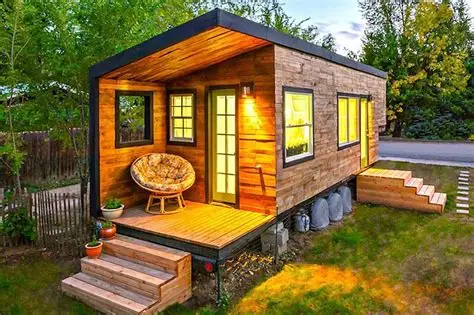
What’s Included in Tiny House Made Easy
Based on the official site, the package includes:
- The Core Building Guide – covering foundations, framing, insulation, roofing, water, and electrical systems
- Bonus: Tiny House Floorplans – a collection of building layouts
- Bonus: The Tiny House Trailers Bible – guidance on sourcing and preparing a trailer
- Bonus: Shipping Containers Made Easy – a parallel guide for shipping container home construction
- Bonus: Tiny House Homesteading – content on self-sufficiency, food, and preservation
- Bonus: Living Off-The-Grid – guidance on solar, wind, and micro-hydro power generation
- Lifetime Updates and Author Support – ongoing access to revisions and stated direct support
How Tiny House Made Easy Is Marketed to Work
The core premise is that a step-by-step, experience-based guide can help a first-time builder avoid the expensive mistakes common to DIY tiny house construction.
What’s worth understanding about this framing:
- The Core Building Topics Are Standard and Legitimate: Foundation load-bearing, framing sequence, insulation, and off-grid utilities are genuine, necessary considerations in tiny house construction, not fabricated concepts.
- Zoning and Permit “Loophole” Claims Deserve Scrutiny: Local building codes and zoning laws vary significantly by jurisdiction, and general marketing claims about universal “loopholes” should be verified against your specific local regulations, not taken at face value.
- Unverifiable Personal Track Record: The “300 tiny houses built” and “20 years of experience” claims can’t be independently confirmed from outside the product.
The subject matter itself is a legitimate, popular DIY category, and there’s nothing inherently pseudo-scientific or medically risky about the content described, unlike several other categories covered in this review series. The main open question is less about the safety of the information and more about its originality and the credibility of the specific instructor behind it.
Tiny House Made Easy: What’s Claimed as Benefits
Based on the official site, the stated benefits are:
- Comprehensive Coverage – from planning through finishing details
- Bundled Bonus Content – additional guides on trailers, shipping containers, and off-grid living
- Low Cost Relative to Professional Consultation – marketed against a hypothetical $5,000 consultant fee
- 60-Day Guarantee – a stated no-questions-asked refund window
- Ongoing Support and Updates – lifetime access to revisions, per the site
Tiny House Made Easy Cons
Before buying, there are real considerations worth weighing.
- Leftover Unrelated Template Content: a navigation link for an unrelated health product appears on the live page.
- Mismatched Copyright Branding: the footer names a different company than the product itself, suggesting shared infrastructure across similar sister sites.
- Zoning “Loophole” Language Needs Verification: claims about bypassing permits or zoning should be checked against your specific local laws, not relied on as universal advice.
- Unverifiable Credentials: the builder’s specific track record can’t be confirmed independently.
- Heavy Bonus Value-Stacking: seven bonuses with individually listed dollar values are a standard persuasion tactic that inflates the apparent discount.
Is Tiny House Made Easy a Scam?
Based on what’s verifiable, Tiny House Made Easy appears to be a real, purchasable digital guide covering a legitimate, standard set of DIY building topics, sold through ClickBank’s standardized checkout, not a fabricated listing.
Caution signs worth weighing:
- Concrete evidence (a leftover unrelated nav link, mismatched copyright branding) points to a template shared across multiple similar sites
- Zoning and permit “loophole” language should be independently verified against local regulations before acting on it
- The instructor’s specific credentials and track record can’t be independently confirmed
Legitimacy signals worth weighing the other way:
- The core subject matter (foundations, framing, insulation, off-grid systems) is standard, legitimate DIY building content
- Checkout runs through ClickBank’s standardized system with a stated 60-day guarantee
- A relatively low one-time price limits financial risk compared to hiring a professional
My take: the underlying topic is a legitimate DIY category, and the described content sounds reasonable for the price if it delivers as promised. Treat any specific zoning or permit “loophole” claims with real caution and verify them against your own local building department before acting, since getting this wrong carries real legal and safety consequences beyond the cost of the guide itself.
Conclusion
Looking at Tiny House Made Easy overall, it’s a real, purchasable guide covering legitimate DIY building topics, with concrete evidence (a leftover unrelated link, mismatched footer branding) suggesting it’s one of several similarly templated products from the same operation rather than a uniquely authored resource.
Its most significant issue isn’t the subject matter itself, which is standard and useful if accurate, it’s the unverifiable specific credentials behind it and some zoning-related marketing language that shouldn’t be taken as universal legal guidance.
Before you build anything based on this guide, verify any permit, zoning, or “loophole” claims directly with your local building department, since compliance requirements vary significantly by location and the consequences of getting them wrong are real.