About Wake Up Lean Official Website
We scanned wakeup-lean.com for several indicators, and there’s a concrete, checkable defect worth flagging first: the page includes two bracketed citation markers, “[1]” and “[2]”, attached to its central medical claims about inflammation, but no reference list or footnotes anywhere on the page actually correspond to them. They’re styled to look like scientific citations without any citation behind them.
We also found a direct testimonial mix-up: a testimonial signed “-Sarah, Moorpark, California” appears under a story about a person named Sarah, but the exact same “-Sarah, Moorpark, California” signature also appears under a separate, unrelated testimonial that’s explicitly about a different person named Tiffany and her autoimmune condition. That kind of copy-paste error is a real sign of a template that wasn’t carefully proofread. The creator identifies herself only by first name, “Meredith,” with no verifiable last name or professional credential, and the central mechanism, “Inflammation Enzymes,” isn’t an established medical or scientific term, unlike real, named enzymes (such as MMPs) that some other joint and weight-loss products in this category at least attempt to cite correctly.
| Positive Reviews | Negative Reviews |
|---|---|
| Low price point ($15) limits financial risk | Two citation markers (“[1]” and “[2]”) appear in the text with no actual reference list anywhere on the page |
| 60-day “Triple Guarantee” refund window is clearly stated | The same testimonial signature (“Sarah, Moorpark, California”) is mistakenly attached to two different, unrelated stories |
| Checkout runs through ClickBank, giving buyers standardized refund protection | “Inflammation Enzymes” isn’t an established medical term, unlike real, specific enzymes named in some competing products |
I’ve reviewed a lot of weight-loss guides in this format, and Wake Up Lean leans especially hard on fear-based inflammation language while providing less verifiable backing than several comparable products. Chronic inflammation is a genuine, actively studied area of obesity and metabolic research, that part isn’t invented, but the specific claims built on top of it here go well beyond what’s established.
Is Wake Up Lean legit? This analysis looks at what the program actually offers, where the science claims break down, and what the page’s own errors suggest.
What is Wake Up Lean?
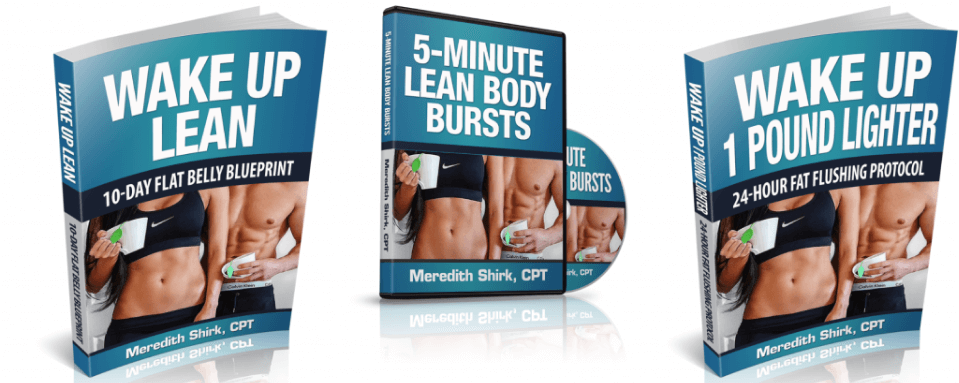
Wake Up Lean is a 100% digital, 10-day eating and lifestyle guide marketed at people over 40, centered on a claimed “13-second trick” using selenium to reduce what the page calls “Inflammation Enzymes” and trigger rapid fat loss.
- Format: Digital guide, no physical product shipped
- Price: $15 one-time payment
- Regulatory Status: Weight-loss/lifestyle guide, not a medical treatment; no FDA disclaimer language was visible on the page we accessed
What’s Inside Wake Up Lean
Based on the sales page, the program is structured around three claimed steps:
- Turning Off “Inflammation Enzymes” – the central, undefined mechanism the program is built around
- Turning Off “Hunger Hormones and Stress Sensors” – additional claimed mechanisms tied to appetite and cortisol
- Activating Fat-Burning Through “Metabolism Minerals” – centered on selenium, a real trace mineral, delivered through specific food choices over a 10-day sequence
Selenium is a genuine, well-studied trace mineral with real roles in antioxidant activity and thyroid function. What isn’t supported anywhere on the page is the specific claim that a “13-second” selenium-based trick can measurably reduce inflammation and produce next-morning weight loss, that’s a significant leap from selenium’s actual, established nutritional role.
How Wake Up Lean Is Marketed to Work
The program frames nearly all weight-loss failure as caused by a single, undiagnosable condition, “hidden inflammation enzymes” that activate after age 40, arguing that conventional diet and exercise advice fails because it doesn’t address this root cause.
Worth separating clearly: chronic, low-grade inflammation is a real and active area of obesity and metabolic disease research, that much is grounded in genuine science. But the page’s specific framing, an unnamed class of “Inflammation Enzymes” that “most doctors can’t even test for,” combined with orphaned citation markers that don’t link to any actual studies, means the specific claims here can’t be verified from the page itself. The origin story (a mineral discovery from “the Jungles of Panama”) follows a common narrative device used across several unrelated wellness products in this category, an evocative story rather than a verifiable sourcing claim.
Wake Up Lean: What’s Claimed as Benefits
Based on the official site, the stated benefits are:
- Fast Initial Results – the page claims visible changes as soon as the next morning
- No Calorie Counting or Food Journaling – positioned as simpler than conventional diet plans
- No Required Exercise – marketed as achievable without workouts
- Low Cost – $15, with a stated 60-day refund window
- Digital, Instant Access – no shipping wait
Wake Up Lean Cons
Before buying, there are real concerns worth weighing.
- Orphaned Citation Markers: “[1]” and “[2]” appear attached to central medical claims with no actual reference list anywhere on the page.
- Undefined Central Mechanism: “Inflammation Enzymes” isn’t an established, specific medical term, unlike real, named enzymes some competing products at least attempt to cite.
- Testimonial Mix-Up: the same name and location signature is attached to two different, unrelated testimonials, a sign of careless template reuse.
- Anonymous Creator: “Meredith” is identified only by first name, with no verifiable last name, credentials, or professional background.
- Fake Scarcity for a Digital Product: “only a handful of copies left” doesn’t logically apply to a product the page itself describes as unlimited, instant digital access.
- Overstated Speed Claims: promising visible, next-morning weight loss from a dietary change is a significant claim without individual study support on the page.
Is Wake Up Lean a Scam?
Wake Up Lean is a real, purchasable digital guide, not a listing that takes payment and delivers nothing, and its low price and stated 60-day guarantee limit the financial risk of trying it.
What’s worth weighing before buying:
- The broader concept (chronic inflammation affecting weight and health) is grounded in real science
- The specific mechanism named on the page (“Inflammation Enzymes”) isn’t an established medical term, and its central claims aren’t backed by any working citation
- The page contains concrete, checkable errors (orphaned footnote markers, a misattributed testimonial) that suggest limited quality control
- The creator’s identity and credentials can’t be independently verified
Treat the program as a general healthy-eating guide at most, not a scientifically validated method for the specific rapid results claimed, and use the refund window if it doesn’t deliver what’s promised.
Conclusion
Looking at Wake Up Lean overall, it’s a low-cost digital guide built on a genuine area of health research (chronic inflammation) stretched into specific claims, an undefined “Inflammation Enzyme,” a 13-second fix, next-morning results, that the page itself doesn’t back with working citations.
Its concrete quality issues, orphaned citation markers and a misattributed testimonial, are worth weighing alongside the unverifiable creator identity before deciding whether to buy.
Before purchasing, treat the central science claims as unverified, expect general healthy-eating guidance rather than a validated rapid-fat-loss mechanism, and rely on the 60-day guarantee if the results don’t match the marketing.